Situation, action, result — the operations work behind the numbers on the home page, from a brand launch in Paris to an ERP rebuilt for artisans.
01
Launching Ikai Asai in Paris
Role: Project, Program & Portfolio ManagerSvatantra (Aditya Birla Group)Paris, 2019
Situation
A new luxury homeware brand had to debut at a prestigious Paris trade show, and almost everything — brand, merchandise, logistics — had to be built from scratch. It was also the first project that took me outside India.
What I did
I ran the front end (merchandise plans, stall design, brand films, retail-partnership talks) and the back end (international logistics and supply) at the same time, coordinating a French consultant, a celebrity designer, marketing agencies and artisan clusters across India. The job was holding timelines and budgets steady while mediating very different working styles.
Result
The brand launched on time, opened new international retail relationships, and left us with a repeatable playbook for taking Indian craft to global buyers.
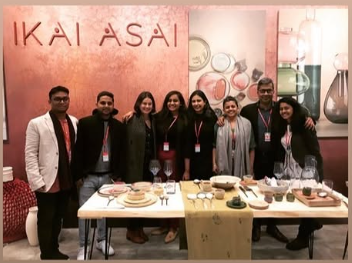
The Ikai Asai stand at the trade show
On timelaunch at the show
Newinternational retail partners
1stglobal brand showcase
02
An ERP rebuilt around artisans
Change managementMicrosoft Dynamics NAV → custom cloud ERPphased cutover
Situation
Our Dynamics NAV system was, as our directors put it, "a Ferrari engine in a Mercedes" — powerful, costly and mismatched to a fragmented craft industry and a creative team. Rigid steps slowed product cycles and delayed payments to artisans.
What I did
I made the case to the CEO, COO and finance that a leaner custom cloud system was an upgrade in fit, not a downgrade. I designed workflows that mirrored how artisans and designers actually work, coordinated the developers, and ran the data migration with a careful double-entry overlap through the year-end audit — then trained teams and hand-held finance so no one slipped back to old habits.
Result
A smoother product cycle, and far fewer late payments to the artisans who depend on them.
A cash-flow squeeze meant cutting operating cost without risking the fragile-goods logistics a homeware brand lives or dies by. The incumbent 3PL had been with us since 2016, and management was reluctant to leave a trusted partner.
What I did
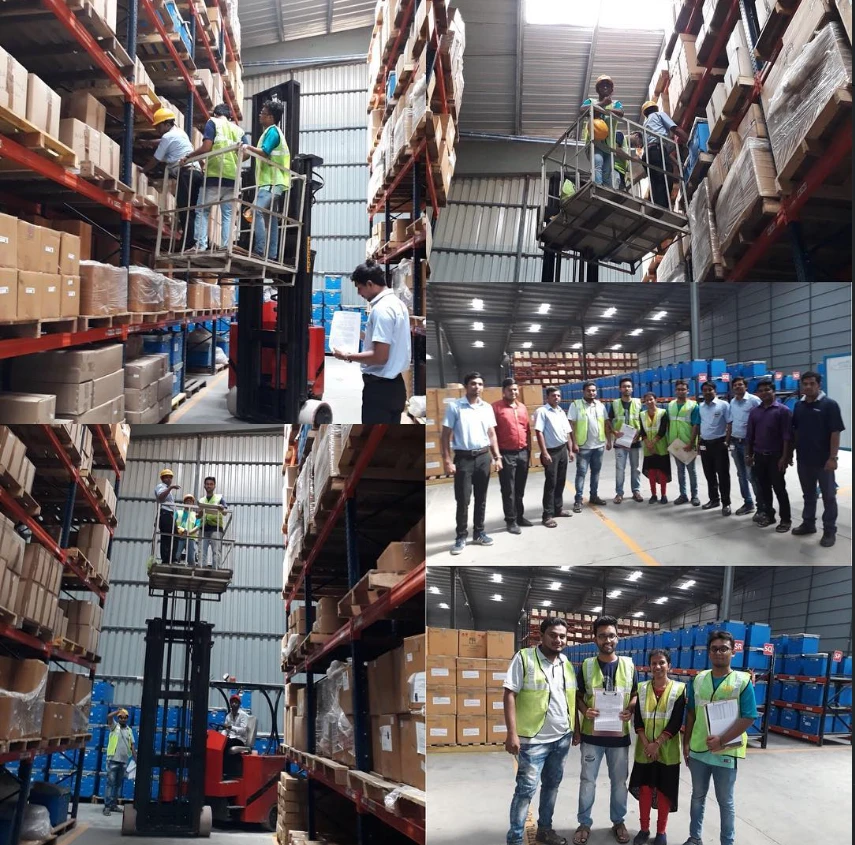
I found a nimble startup 3PL that understood the fragile-art brief, restructured the warehouse with heavy-duty racking to shrink the footprint, and renegotiated to actual-usage opex plus a credit period. I moved all but two of the warehouse team across on trust built over six years. When the incumbent countered with a 10% discount, I held firm, because the honest cost-benefit pointed the other way.
Result
A major cost reduction that eased the cash crunch, with daily operations uninterrupted through the switch.
Hand-made, long-tail SKUs refuse to average out. Both stockouts and dead inventory are expensive, and doubly so when cash is tight.
What I did
I stood up a Sales & Operations Planning process using several statistical and forecasting models built for long-tail demand, enforced company-wide SOPs across forward and reverse logistics, optimised imports under Free Trade Agreements, and moved air freight to containers.
Result
Service levels went up while landed cost came down.
99%OTIF, 3-day turnaround
70%freight cost saved
0.2%customer returns
Also along the way: a new collection taken from concept to launch in two months instead of the usual five or six, by aligning technology, production and supply chain around a single deadline — and six promotions in eight years, from management trainee to assistant general manager.